How to measure your space for the perfect footrest alternative

Ottoman Sizes for Diverse SG Homes

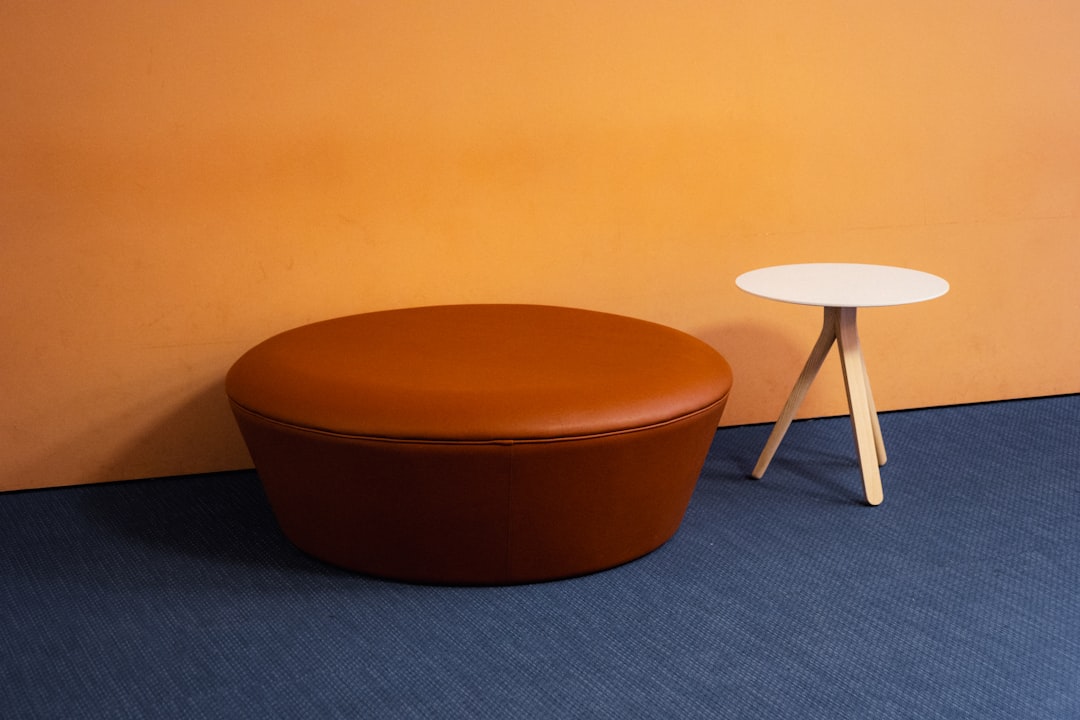
The ottoman that fits perfectly beneath your HDB bay window might swallow an entire walkway in a Joo Chiat shophouse. An ottoman is one of the most under-rated pieces in a small Singapore living room — extra seating when guests come over, footrest during the daily wind-down, sometimes a coffee-table substitute when the room layout demands flexibility. Megafurniture's Ottoman collection covers footrest, square, lift-top storage, and round designs in fabric, leather, faux leather, velvet, and rattan. Lift-top storage variants typically hold 60–80 litres of contents — useful for blankets, board games, or seasonal items.. That’s the paradox of these deceptively simple pieces—their 40–120cm range spans from bedside companion to coffee table replacement, with every centimetre dictating whether it’ll function as storage or become another obstacle to stub toes against.

Measure twice: a 50cm square ottoman tucks neatly beside most recliners in BTO living rooms, leaving 60cm clearance for walking paths. Go wider than 80cm, and you’re committing to a central position—ideal for landed property media rooms where it can double as impromptu seating during CNY gatherings. The sweet spot for HDB bedrooms? 45–65cm widths that slide under study desks when not in use, like those in Megafurniture’s space-saving collection.

Depth matters more than you’d think. A 40cm-deep ottoman serves perfectly as a footrest for a single armchair in Sengkang’s compact study nooks, while 70cm depths transform into toddler play surfaces in Pasir Ris condo living rooms. Watch for tapered designs—their narrower bases gain you precious centimetres in narrow corridors without sacrificing surface area.

Material choices whisper volumes about usage. Performance velvet resists sticky fingers in family-heavy Tampines households, whereas leather-look options withstand balcony humidity for those using ottomans as outdoor seating. Storage models demand an extra 10–15cm clearance for lift-up mechanisms—skimp here, and you’ll be rearranging furniture every time you retrieve spare bedding.

The best ottomans disappear into daily life. They’re the thing guests automatically perch on when your sofa’s full, the surface that accumulates coffee cups during movie nights, the footrest that materialises exactly where your legs need support. Get the dimensions wrong, though, and they’ll forever be that thing everyone trips over on the way to the kitchen.
Material Choices for Humidity-Prone SG

Singapore’s humidity doesn’t just frizz hair—it warps untreated wood within months. That teak footrest you bought from the weekend pasar malam? By year’s end, the legs will splay like a durian dropped on concrete. Opt for polyester-blend fabrics instead—they won’t mildew when some auntie spills her kopi-o during CNY.

Leather works if it’s treated, but skip the buttery Italian stuff unless you enjoy watching it crack like old HDB ceiling paint. Modular ottomans with removable covers are the real MVPs—when your neighbour’s shiba inu jumps on it with wet paws, just toss the cover into the washer with your school uniforms.

Metal frames are safe bets, though they’ll condensate more than your iced Milo tin. Look for powder-coated finishes—the kind used on void deck fitness equipment—rather than chrome. And if you must have wood, go for kiln-dried rubberwood sealed with marine-grade varnish. It’s what they use on sampans for a reason.

Storage ottomans should have ventilation holes disguised as decorative stitching. Otherwise, your spare blankets will emerge smelling like the bottom of a schoolbag. Megafurniture’s range includes options with breathable linen-lined interiors—practical for stashing rainy-season umbrellas without the mustiness.

Round shapes fare better than square in cramped spaces—fewer sharp corners to bruise shins when squeezing past the ottoman in a 4-room BTO’s 2.8m-wide living area. But the real test comes during monsoon season, when every unsealed surface becomes a petri dish. Wipe down weekly with vinegar solution; your nose will thank you.

Measuring Your Space

Start by clearing the area where you plan to place your ottoman footrest. Use a tape measure to record the length, width, and height of the available space, ensuring it accommodates both the ottoman and comfortable legroom. Leave at least 12 inches of clearance around it for ease of movement.

Styling and Placement Tips

Position the ottoman close enough to your seat for easy access but not too close to avoid clutter. Pair it with a neutral color for versatility or a bold hue as an accent. Add a tray for dual-purpose functionality.

Choosing the Right Ottoman Size

Select an ottoman that matches the width of your chair or sofa for a balanced look. Opt for a height that aligns with your seat to ensure proper leg support. Avoid oversized options if your space is limited.

Beyond Footrests: Storage Solutions

Hidden Compartments

Ottomans with lift-up tops solve the storage woes of HDB dwellers without sacrificing floor space. The cavity beneath typically fits two folded blankets or a dozen rolled-up magazines — ideal for stashing items you need weekly but don't want cluttering open shelves. Measure the interior depth against your tallest intended item; many models taper inward below the cushion, losing 3–5cm of usable space. Go for hardboard-lined bases if storing hardcover books or electronics to prevent sagging over time. Families report these compartments swallowing Lego sets whole between play sessions.

Seasonal Swaps

Rotate winter throws and festive decor through ottoman storage to free up wardrobe real estate. The average 50cm cube model holds four vacuum-sealed clothing bags or six shoebox-sized organizers. Humidity becomes an issue for fabrics stored longer than three months — toss in silica gel packs from Daiso's stationery aisle. Pro tip: label the underside of the lid with masking tape to avoid excavating the entire unit for one Christmas table runner. Condensation-prone ground floors should opt for moisture-resistant PE rattan over fabric upholstery.

Toy Containment

Parents of toddlers know the strategic value of a footrest that devours stuffed animals on command. Look for models with finger-notch openings or silent-close hinges to prevent pinched fingers during daily raids. The weight distribution matters — a 12kg ottoman packed with wooden blocks won't tip when used as a step stool. Avoid plush fabrics if snacktime happens nearby; smooth leather-look vinyl wipes cleaner than linen blends. One Tampines family reports their IKEA-hacked version survived three kids' worth of Hot Wheels collections.

Guest Readiness

Sudden visitors trigger the Singaporean scramble to hide laundry piles and school projects. A 60cm-wide ottoman beside the sofa becomes instant overflow seating while concealing that morning's unfolded clothes. Test the weight capacity — cheaper foam-core models buckle under 80kg, while kiln-dried timber frames handle two adults. Keep the cushion firmness medium-soft; rock-hard tops discourage lingering, while down-filled versions sink dangerously under dinner plates. Eunos homeowners swear by placing one near the entrance for shoe storage during rainy seasons.

Space Measurements

HDB living rooms demand millimeter precision when adding storage furniture. Always check the clearance needed to fully lift the top — some require 45cm overhead space the brochures don't mention. Trace the footprint with newspaper before buying; what looks compact online often eats half a walkway when delivered. Bedok residents recommend leaving 70cm clearance around three-sided models for comfortable footrest use. The sweet spot? A 55cm cube ottoman fits through standard doorways while offering 80L of hidden storage.

Avoiding Common Buyer Mistakes

Ottoman height mismatches cause more buyer regret than fabric choices. That 45cm plush footrest looks perfect beside your 40cm seat height recliner—until you realise your knees angle upward like a budget airline seat. Measure seated knee-to-floor distance first; most Singaporeans need 38–42cm ottomans for proper ergonomics. HDB dwellers often misjudge scale. A 120cm storage ottoman swallows half a 4-room BTO living room, leaving just 60cm walkway between sofa and TV console. Better to opt for two compact 60cm cubes—they tuck under side tables when not in use. Storage ottomans tempt with hidden compartments, but test the hinge weight first. Cheap models require two hands to lift while balancing on one foot—a recipe for toppled drinks or pinched fingers. Look for slow-close mechanisms or gas struts if you’ll access it daily. Megafurniture’s Joo Seng showroom displays ottomans beside sofas at actual HDB spacing. Their 50cm Somnuz® velvet models work for most sectional depths, though petite buyers might prefer the

low-profile 40cm options

. Rainy season reveals another oversight: light-coloured ottomans placed under AC drip lines develop water stains within weeks. Go for textured, mid-tone fabrics near cooling units—charcoal bouclé hides mildew better than beige linen.

Megafurniture Showroom Advantage

The humidity warps particle board within months if it’s not properly sealed—something you’ll only notice when your new ottoman starts wobbling under a tray of kopi. At Megafurniture’s Joo Seng showroom, staff encourage buyers to press palms against fabric samples for 30 seconds; if your hand comes away damp, that linen-look polyester won’t survive monsoon season. Square ottomans under 60cm work for most HDB living rooms, but families with recliners often need custom depths—try sitting with one at Tampines’ display, knees bent at 90 degrees, to gauge if a 70cm model leaves walking space. The showroom’s floor models reveal construction quirks: stitched seams that prevent foam sagging, metal hinges that won’t corrode, and weight tests proving a 120cm storage ottoman can double as impromptu seating for two adults. Singaporeans default to neutral fabrics, but the Joo Seng lighting rig shows how taupe bouclé hides stains better than beige linen in east-side flats with afternoon sun. For under $400, you’re typically choosing between rubberwood legs (sturdy but prone to termites) or powder-coated steel (noisier on tiles). The real test comes when you lift the lid—storage ottomans with gas struts stay open while you rearrange Christmas decorations, while spring hinges snap shut on fingers. Browse the

options in person

and you’ll notice the cheaper models skip moisture barriers beneath the fabric, a false economy when your floor’s concrete sweats through June. Round ottomans solve corner placement issues in narrow bedrooms, though anything over 50cm diameter tends to block BTO wardrobe doors. Sales staff keep tape measures behind the counter because buyers routinely underestimate how much space a 90cm square model eats when paired with a sectional sofa.

Delivery and Warranty Considerations

Delivery teams hate HDB lifts almost as much as movers hate spiral staircases—which is why ottomans that dismantle into flat-pack panels survive Singapore’s high-rises better than rigid frames. Measure your lift’s diagonal clearance (most BTOs hover around 210cm) against the assembled ottoman’s longest dimension; anything over 160cm risks getting wedged at odd angles. Storage ottomans with lift-off lids typically ship disassembled, while solid-wood frames may require professional unpacking in your void deck. Warranties here aren’t just about manufacturing defects—they’re humidity insurance. Polyester upholstery might fade within two years near west-facing windows, while rubberwood legs in ground-floor units can warp during monsoon seasons. Look for 3+ years coverage on structural joints and 1 year minimum on fabric pilling; anything less suggests the manufacturer knows their materials won’t last. Assembly services cost extra but prevent the classic Singaporean tragedy: a $900 ottoman scratched by your own screwdriver. Some retailers include basic setup if you opt for their

premium delivery tier

—worth considering for pieces with hidden compartments or hydraulic lifts. Just remember to check the fine print: "White-glove service" often excludes hauling away packaging in our narrow refuse chutes. That faux-leather ottoman from the showroom? It’ll crack faster if stored near your aircon compressor’s exhaust. Humidity-controlled warehouses mask material flaws that emerge within months in our 85% average humidity. Ask where the unit was stored pre-delivery—outdoor stockyards at Loyang or Tuas mean it’s already endured months of salt spray and afternoon downpours before reaching your living room. Delivery slots fill fastest during school holidays and the Lunar New Year rush. Pay for evening or weekend slots only if you’ve verified the building’s loading bay access—many condos lock freight elevators after 6pm. Pro tip: ottomans delivered during dry months (February–April) acclimate better than those arriving mid-monsoon.

FAQ: Real SG Buyer Questions

Will a 60cm Ottoman fit between my recliner and TV console in a 4-room BTO? Measure the gap first — most recliners need at least 45cm clearance for full extension, leaving slim margins in living rooms under 3m wide. Better to opt for a compact 40–50cm round Ottoman that tucks under the console when not in use.

What’s the best Ottoman material for homes with cats? Performance velvet wins over linen or bouclé — it resists claw snags and hides fur better than you’d expect. Leather works too, provided it’s full-grain; bonded leather peels within months when subjected to daily paw traffic.

Can I use an Ottoman for storage in a 12 sqm HDB bedroom? Only if you’re disciplined. Lift-top Ottomans become black holes for unfolded laundry in tight spaces; shallow drawers or open shelves keep contents visible and accessible. Landed property walk-in closets handle deep storage better.

Why do most Ottomans in showrooms look oversized? Retailers display 80–100cm models to showcase upholstery details, but 55–65cm squares dominate actual Singapore homes. A Tampines condo dweller once measured seven showroom Ottomans before finding one that didn’t block their balcony door.

Pet owners always underestimate how often they’ll need to vacuum under the Ottoman. Even in landed properties with maids, that 10cm clearance becomes a fur magnet — go for tapered legs or wall-hugging designs if you’ve got shedding breeds.

Final Decision Before Purchase

A common mistake buyers make is assuming all ottomans fit where the old IKEA footstool sat—until the delivery crew arrives and the piece blocks half the walkway in a 4-room BTO living room. Measure twice: leave 60cm clearance around the ottoman if it’ll double as seating, or 40cm if purely for feet. That 90cm-wide storage ottoman might look perfect online, but in many HDB flats, it’ll eat up the narrow gap between the sofa and TV console.

Test the dual functions where it matters. An ottoman’s cushion should rebound after guests use it as impromptu seating—press down hard near the corners to check for permanent sagging. Storage lids need smooth hinges that won’t snap when overloaded with winter blankets or Lego boxes; try opening and closing them one-handed while seated. For humid climates, skip linen or cotton upholstery—performance velvet or Crypton fabric resists mildew better when placed near windows in Bedok or Pasir Ris units.

Megafurniture’s showrooms let you judge proportions against real furniture. Their 50cm square models work as footrests for recliners, while 80cm rectangles anchor conversation areas in landed property living rooms. Sit for ten minutes—if the height strains your knees or the foam feels like a park bench, it’ll annoy you daily. The right ottoman disappears into the room until needed; the wrong one becomes that thing everyone trips over during CNY visits.

Price jumps around the $800 mark usually reflect thicker hardwood frames or upgraded suspension—worth it if the piece will survive kids jumping on it. But in a 12 sqm common bedroom where it’s just propping up feet, marine ply construction does the job.

Check the legs. Plastic glides scratch terrazzo, while metal bases dig into laminate—opt for felt pads or rubber stoppers if you’ve got either flooring. A lift-top storage ottoman needs a flat, stable surface; wobbles on uneven tiles could spill your coffee tray.

" width="100%" height="480">How to measure your space for the perfect footrest alternative